

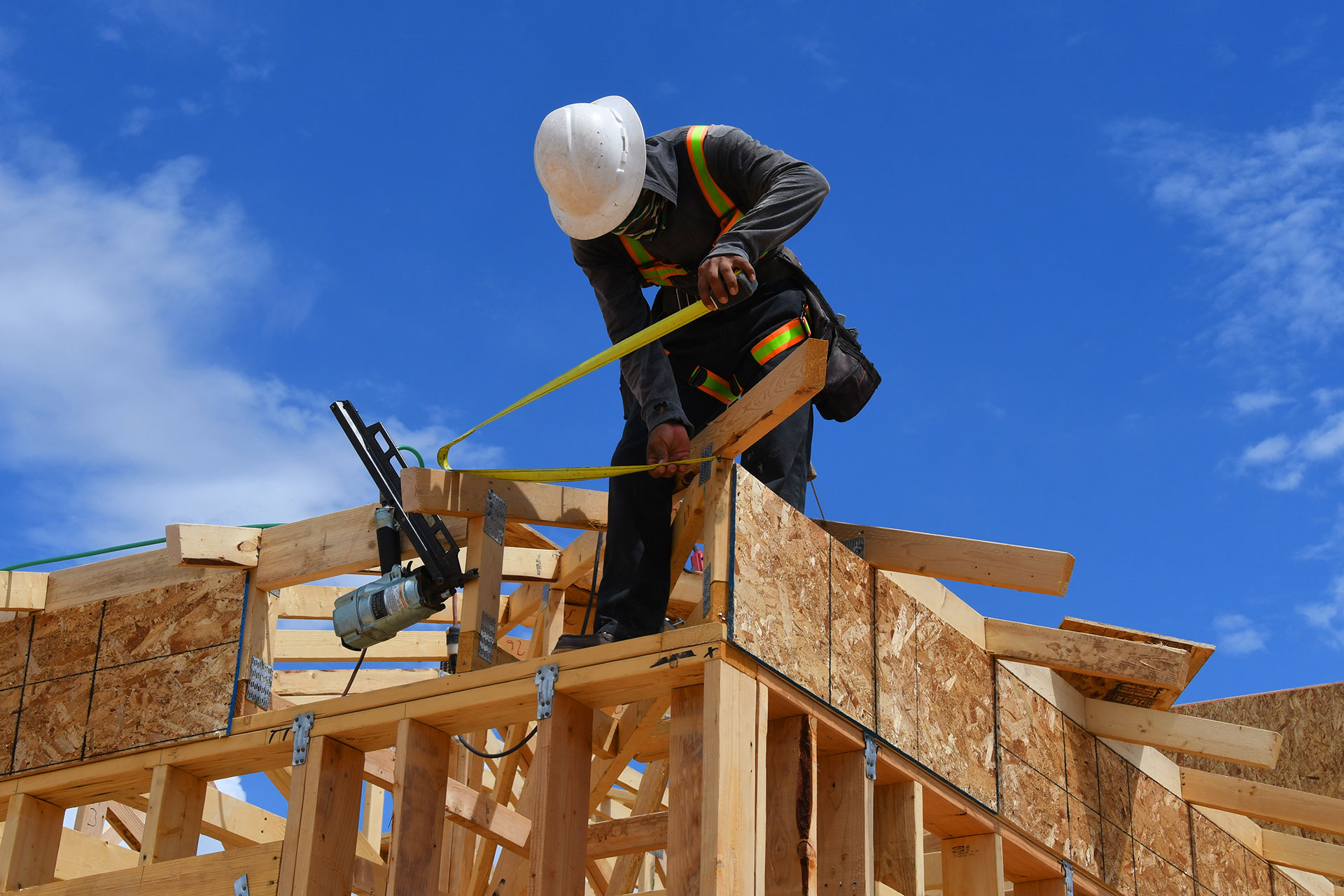
Ever walked into a sleek office building, a bustling retail store, or a brand-new restaurant and wondered who brought those spaces to life? Behind every polished interior and sturdy structure stands a skilled professional you probably never see: the commercial carpenter. These are the craftsmen who turn blueprints into reality, working on everything from skyscraper interiors to massive warehouse builds. If you’re planning a commercial project or just curious about what sets these pros apart from residential builders, you’re in the right place.
A commercial carpenter builds and installs structural and finish components in commercial buildings like offices, schools, and retail spaces. They handle framing, drywall, doors, cabinetry, and fixtures, working with materials like steel studs and concrete forms to meet strict commercial codes and large-scale project demands.
What Does a Commercial Carpenter Actually Do?
The job goes far beyond hammering nails. Commercial carpenters operate within a fast-paced, high-stakes environment where precision and code compliance are non-negotiable. Their work shapes the spaces where we work, shop, learn, and gather.
On any given day, a commercial carpenter might be reading complex blueprints, measuring structural layouts, or coordinating with electricians and plumbers. The variety is honestly one of the most appealing parts of the trade.
Core Responsibilities
- Structural framing: Building the skeleton of a structure using metal studs, wood, or engineered materials.
- Concrete formwork: Constructing the molds that hold poured concrete for foundations and walls.
- Drywall and partitions: Installing interior walls that divide commercial space.
- Finish carpentry: Adding trim, doors, cabinetry, and decorative elements.
- Fixture installation: Mounting shelving, counters, and built-in units for retail or office use.
Commercial vs. Residential Carpentry: The Real Differences
People often assume carpentry is carpentry, but the gap between commercial and residential work is wider than you’d think. The scale, materials, and regulations involved create two very different worlds.
Residential carpenters focus on homes, often using wood framing and working in smaller crews. Commercial carpenters, on the other hand, tackle larger structures that demand steel framing, heavy machinery, and strict adherence to commercial building codes.
Commercial Carpentry
- Large-scale projects
- Steel and concrete materials
- Stricter code requirements
- Bigger crews and equipment
Residential Carpentry
- Homes and small buildings
- Primarily wood framing
- Standard residential codes
- Smaller, tight-knit teams
Why Precision Matters More Than Ever
Here’s something many people overlook: in commercial construction, a tiny measurement error can cascade into massive delays and budget overruns. When you’re framing a multi-story building, every angle and joint has to be exact.
That’s why experienced contractors emphasize accuracy from the very first cut. In fact, understanding how precision framing reduces project costs can completely change how you approach a build. Getting the structure right the first time saves both time and money down the line.
Skills That Make a Great Commercial Carpenter
Not everyone can thrive in this trade. It takes a unique blend of physical ability, technical knowledge, and problem-solving instinct. The best in the business never stop learning.
The Must-Have Toolkit (Skills Edition)
- Blueprint literacy: Reading and interpreting detailed construction plans.
- Mathematical precision: Calculating angles, loads, and material quantities.
- Tool mastery: Operating power tools, lasers, and heavy equipment safely.
- Physical stamina: Handling demanding, hands-on labor for long shifts.
- Team coordination: Collaborating with other trades on busy job sites.
How to Become a Commercial Carpenter
Breaking into the field usually starts with an apprenticeship. These programs blend paid on-the-job training with classroom instruction, giving you a strong foundation without the burden of student debt.
Most apprenticeships run three to four years. After completing one, you become a journeyman carpenter, and with more experience, you can advance to a foreman or even start your own contracting business.
Pro Tip: Earning certifications in safety (like OSHA) and specialized skills can seriously boost your earning potential and make you stand out to employers.
The Value a Commercial Carpenter Brings to Your Project
Hiring the right commercial carpenter isn’t just about getting walls up. It’s about partnering with someone who understands timelines, budgets, and the importance of doing things right.
A skilled carpenter anticipates problems before they happen, keeps the project on schedule, and ensures the finished space is safe, functional, and built to last. That peace of mind is worth its weight in gold.
Frequently Asked Questions
What is the difference between a commercial carpenter and a general contractor?
A commercial carpenter specializes in the hands-on building and finishing work, while a general contractor manages the entire project, including hiring carpenters, scheduling, and budgeting. Carpenters execute the craft; contractors oversee the big picture.
How much does a commercial carpenter earn?
Earnings vary by location, experience, and certifications. Generally, commercial carpenters earn competitive wages, with journeymen and foremen commanding higher pay due to their expertise and leadership responsibilities.
Do commercial carpenters work with steel?
Yes. Unlike residential carpenters who primarily use wood, commercial carpenters frequently work with metal studs and steel framing because commercial buildings require stronger, fire-resistant structural materials.
How long does it take to become a commercial carpenter?
Most apprenticeship programs take three to four years to complete. After that, you can continue gaining experience to advance into specialized or supervisory roles.
What kind of projects do commercial carpenters work on?
They build offices, retail stores, restaurants, schools, hospitals, warehouses, and other large structures. The work spans both structural framing and detailed finish carpentry.
Final Thoughts
The commercial carpenter is the unsung hero of the buildings we use every single day. From precise framing to flawless finish work, these professionals combine technical skill with serious craftsmanship to bring ambitious projects to life. Whether you’re considering a career in the trade or planning your next commercial build, understanding the value these experts deliver is the first step. Investing in skilled, precision-focused carpentry pays off in safer, sturdier, and more efficient spaces that stand the test of time.
Comments are closed